Mastering the Art of Inquiry: Lessons from Elke Wiss
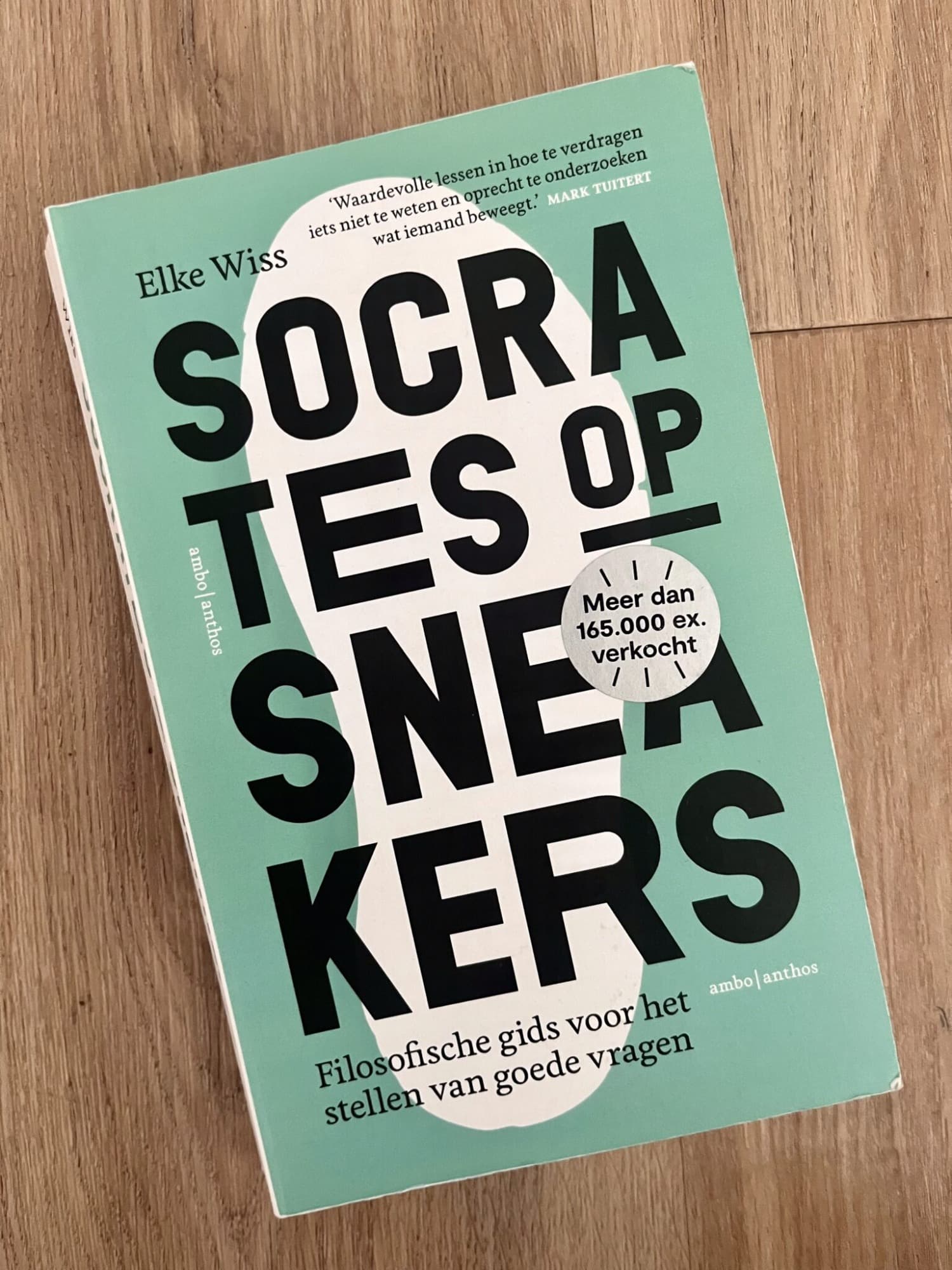
Mastering the Art of Inquiry: Key Lessons from 'Socrates
on Sneakers'
Have you ever walked away from a conversation feeling like you and the other person were speaking two different languages? You weren’t arguing, yet there was no real connection. You were talking at each other, rather than with each other.
Many of us consider ourselves "social people"—individuals who find it easy to chat and connect. However, being social is not the same as being a skilled communicator. In the book Socrates on Sneakers by Elke Wiss, I discovered why many conversations feel shallow and how to transform a simple chat into a meaningful dialogue.
Why I Read 'Socrates on Sneakers'
Despite being an easy talker, I noticed a recurring habit: I wanted to help too quickly. I often offered advice before hearing the full story or asked "leading questions" that steered the conversation toward my own conclusions.
Elke Wiss teaches that a great conversation isn’t about steering the wheel; it’s about creating space. I wanted to learn how to open up a dialogue without letting my own ego or urge to "fix things" get in the way.
3 Lessons to Transform Your Conversations
Effective questioning is a skill anyone can master. Whether you are an introvert or an extrovert, these three lessons from Socrates on Sneakers can fundamentally change how you interact with others:
1. Pause Before You Respond
In our fast-paced world, we often listen just to wait for our turn to speak. I learned the power of slowing down. By pausing, you give yourself the chance to process what the other person is actually saying, rather than reacting to what you think they mean.
2. Stop Solving, Start Asking
It is tempting to jump in with, "You should do this." Now, I try to replace my solutions with curiosity. Instead of fixing the problem, I ask: "What is it about this situation that affects you the most?" This keeps the focus on the other person's experience.
3. Validate Your Assumptions
We often "fill in the blanks" ourselves based on our own biases. I now double-check my perspective by asking: "Am I right in understanding that you mean [X]?" This simple step prevents misunderstandings before they even start.
Small Questions, Big Impact
You don't need complex psychological theories to have a deep conversation. Some of the most effective "Socratic" questions are the simplest ones:
- "What exactly do you mean by that?"
- "Can you give me an example of what you mean?"
- "What is the most important part of this for you?"
Pro Tip: Not every conversation has to be a deep, philosophical breakthrough. Sometimes there is simply no "click," and that’s perfectly okay.
Conclusion: Becoming a Better Listener
Socrates on Sneakers didn't change my personality, but it refined my approach to work and relationships. By moving from "enthusiastic interrogation" to active listening, the results have been profound:
- People feel heard: Without the pressure of a quick fix, people open up more deeply.
- Authentic discovery: I learn what people actually think, not just what I assume they think.
- Energy efficiency: Conversations feel natural and energizing rather than exhausting because I’ve stopped "pulling" the weight of the dialogue.
By applying these Socratic techniques, I’ve become a more effective researcher and a more present friend. The result? Real connections and conversations that actually stick.
