Atomic Habits: How Small Changes Lead to Big Results
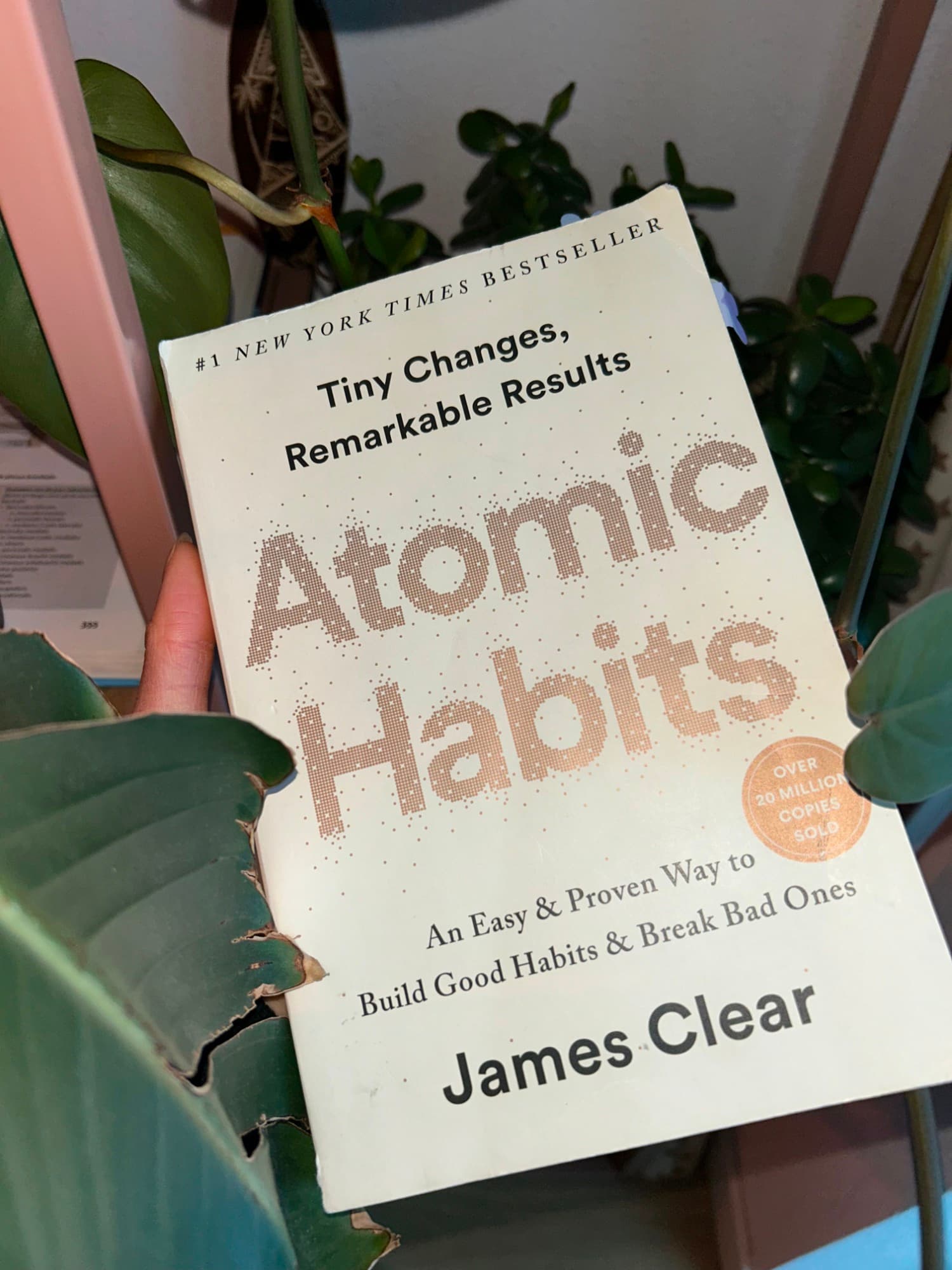
Why You Struggle with Habits (and How Atomic Habits Changes Everything)
We have all been there. You start the year with a list of ambitious goals: exercising daily, eating cleaner, or mastering a new skill. For the first two weeks, you are unstoppable. Then, a stressful workday happens, or you have a poor night’s sleep, and suddenly the couch feels much more appealing than the gym.
Most people blame a lack of willpower, but James Clear, author of Atomic Habits, argues otherwise. The problem isn’t you; it’s your system. Real change doesn't come from massive overnight transformations, but from the compound effect of tiny, "atomic" habits.
1. Forget Goals, Focus on Identity
The most significant shift Clear suggests is moving away from outcome-based goals. Instead of focusing on what you want to achieve, focus on who you want to become.
The Goal: "I want to run a marathon."
The Identity: "I am a runner."
When you focus on identity, your habits become a reflection of who you are rather than a chore on a to-do list. Every time you choose a healthy snack or go for a ten-minute walk, you are "casting a vote" for your new identity. Even on your worst days, a two-minute walk reinforces the fact that you are someone who takes care of their health.
2. How Your Brain Saves Energy: The Habit Loop
Your brain is naturally wired to conserve energy. To do this, it creates "shortcuts" for frequent actions through a four-step loop:
The Cue: A trigger that predicts a reward (e.g., sitting on the sofa).
The Craving: The motivational force (e.g., wanting to relax after work).
The Response: The habit you perform (e.g., scrolling through social media).
The Reward: The end goal (e.g., temporary distraction or "brain rest").
To change a habit, you don't necessarily need more discipline; you need to redirect this loop. By changing the environment or the response, you can help your brain find that "reward" in a more productive way.
3. The 4 Laws: Hacking Your Behavior
Clear provides four practical "dials" you can turn to make habit formation easier:
Make it Obvious: Your environment often dictates your choices. If you want to drink more water, put a bottle on your desk. If you want to stop snacking on junk food, hide it in a hard-to-reach cupboard.
Make it Attractive: Use "temptation bundling." Only allow yourself to listen to your favorite podcast while you are doing the dishes or walking.
Make it Easy: Follow the Two-Minute Rule. Any new habit should take less than two minutes to start. "Read a book" becomes "Read one page." Once you start, the hardest part—the friction of beginning—is gone.
Make it Satisfying: Our brains love immediate rewards. Use a habit tracker to check off your progress. That small hit of dopamine from seeing a "streak" makes your brain want to repeat the behavior tomorrow.
The Golden Rule: Never miss twice. Life happens, and missing one day won't ruin your progress. However, missing a second day is the start of a new habit—the habit of not doing it. Show up on the second day, even if only for two minutes.
4. Final Verdict: Is This a Must-Read?
Absolutely. Atomic Habits is a manual for anyone tired of the "all-or-nothing" cycle. It removes the guilt and emotion from behavioral change and replaces it with a logical, manageable system. If you want to build a life that feels effortless rather than a constant uphill battle, this book is your starting point.
