Master Your Mindset: How to Take Control of Your Life
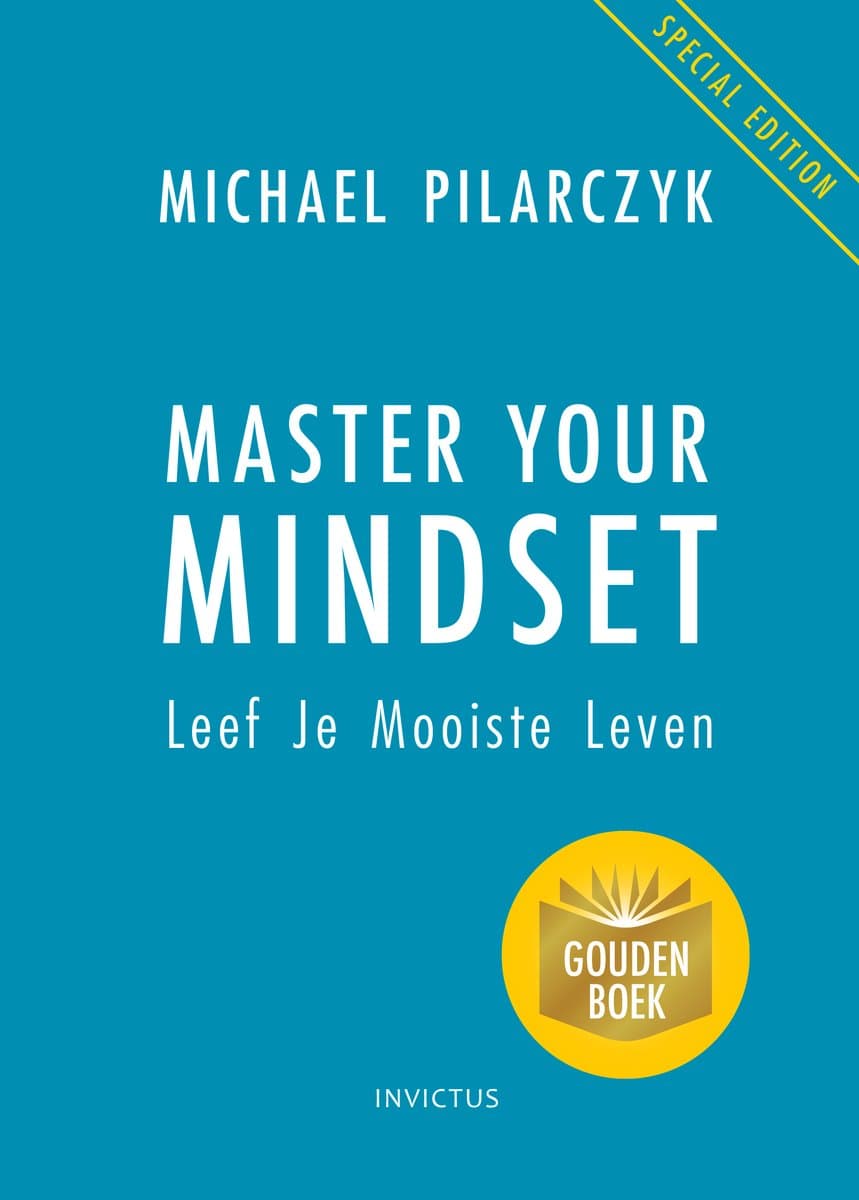
Master Your Mindset: A Practical Guide to Taking Control of Your Life
Your mindset is the foundation of everything you experience. In his book Master Your Mindset, Michael Pilarczyk explains that what you think determines how you feel, and those feelings drive your every action. Over time, these thoughts create patterns that define your life—often without you even realizing it.
Pilarczyk compares our mindset to a pair of glasses. If the lenses are fogged by negative beliefs like "I can’t do this," every task feels heavy. However, when you clean those glasses by shifting your perspective, your path becomes clear.
1. Move Beyond Autopilot
Most of us live on "autopilot," reacting to stress or triggers without thinking. True growth begins with self-awareness: the ability to step back and observe your thoughts with curiosity instead of judgment.
To break the cycle of reactive thinking, try integrating these tools into your daily routine:
Mindfulness: Practice being fully present in the "now."
Journaling: Move thoughts from your head onto paper to stop mental loops.
Guided Meditation: Using tools like the Meditation Moments app for even five minutes a day creates the mental space needed to decide which thoughts are worth following.
2. Reprogram Your Limiting Beliefs
Your beliefs act like the "operating system" of your mind. While some help you grow, others—known as limiting beliefs—keep you stuck. You can upgrade this system using a simple three-step process:
Identify the old program (e.g., "I'm not good enough").
Question if that thought is actually true.
Replace it with an empowering thought (e.g., "I am allowed to start; it doesn’t have to be perfect").
3. Practice Practical Positivity
Positivity isn't about ignoring reality; it is about attention management. When you focus on what is working, your brain functions more effectively.
A simple way to build this habit is through daily gratitude. Every evening, write down three things you are grateful for. This retrains your brain to look for opportunities and "the good," even during challenging times.
4. Overcome Fear and Self-Doubt
Fear is often a story your mind creates to protect you, but that protection can become a prison. The best way to break fear is through action. The longer you wait, the larger the doubt grows.
Whenever you feel a "What if I fail?" thought creeping in, pivot to: "What if it works?" Shifting your internal dialogue makes the leap toward growth feel natural rather than terrifying.
5. Abundance vs. Scarcity
A scarcity mindset tells you there isn’t enough to go around, leading to stress and comparison. In contrast, an abundance mindset believes there is room for everyone to succeed.
Living from abundance means:
Letting go of the need to control every outcome.
Trusting that the right opportunities will arrive.
Finding calm in the fact that you are enough exactly as you are.
6. Visualization and Discipline
Your brain has a hard time distinguishing between a vivid imagination and reality. By spending a few minutes each morning visualizing the energy and calm you want to feel, you set an "internal GPS" for your day.
Furthermore, reframing discipline as an act of self-respect changes your relationship with your habits. Discipline is the bridge between your intentions and your results. Small, daily habits—like consistent fitness or daily meditation—turn your dreams into your reality.
Final Thoughts: Think Better, Live Better
Change doesn’t require a massive overhaul; it happens in small moments of awareness. Master Your Mindset provides the blueprint, and consistent practice keeps that blueprint alive. By trading mental "noise" for focus and direction, you can finally take control of your own narrative.
