Quality Cotton: A Guide to Comfort and Sustainability
Beyond the Label: How to Choose Truly High-Quality Cotton
I have been wearing cotton for years. It is soft, breathable, and incredibly comfortable. However, I’ve learned an important lesson: not everything labeled "100% cotton" is of high quality. Major retailers often use clever marketing to disguise poor-quality strands or hidden synthetic blends. In this guide, I will explain what cotton really is, why it is the best choice for your skin, and how you can spot superior fabric yourself.
What is Cotton?
Cotton is a natural fiber that grows around the seeds of the cotton plant (Gossypium). Unlike polyester or nylon, it is not a synthetic, petroleum-based material.
This is a significant advantage for both the environment and your health. Synthetic fabrics shed microplastics during every wash, which eventually pollute our ecosystems. Beyond being eco-friendly, cotton’s unique hollow structure allows the fabric to breathe and absorb moisture, keeping you fresh all day.
From Plant to Garment: The Process
The journey from a field to your closet involves several precise steps:
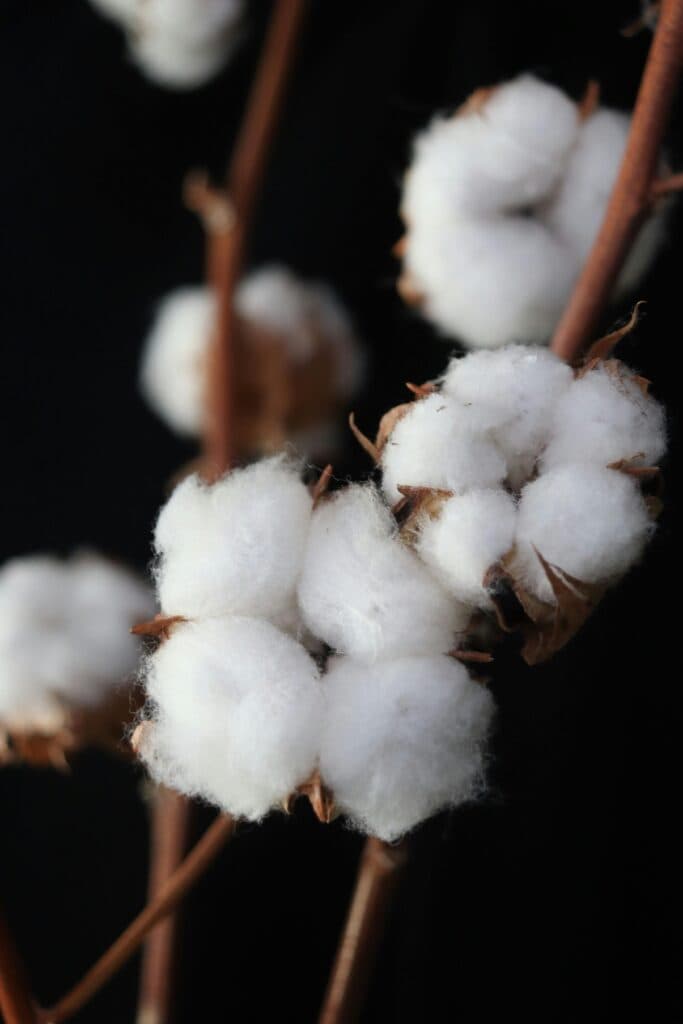
Cultivation: Cotton thrives in sun and heat. Once the "cotton bolls" burst open, the fluffy white fiber is revealed.
Ginning: Machines separate the soft fibers from seeds and debris.
Carding: Think of this as brushing hair; fibers are aligned in the same direction to create a soft strand.
Spinning: These strands are twisted into strong threads called yarn. Finer, stronger yarns come from repeating this process.
Weaving or Knitting: Yarn is woven (for structured items like jeans) or knitted (for stretchy items like T-shirts).
Finishing: The fabric is washed, dyed, and sewn into the final garment.
Why Cotton is the Best Choice for Your Skin
Dermatologists frequently recommend cotton for those with sensitive skin or eczema. The primary benefits include:
Breathability: Heat and sweat escape easily, preventing skin irritation.
Moisture Absorption: It holds significant moisture without feeling damp.
Hypoallergenic: Pure cotton rarely causes allergic reactions or itching.
Softness: High-end varieties minimize friction against the skin.
Sustainability and the Gold Standard: GOTS
While cotton is natural, its production varies greatly. Conventional cotton can have a high ecological footprint due to intensive water and pesticide use. To ensure you are buying a product that is truly ethical and sustainable, look for certifications—specifically GOTS.
What is GOTS?
The Global Organic Textile Standard (GOTS) is the world’s most respected certification. Unlike vague "organic" claims, GOTS monitors the entire supply chain through:
Environmental Standards: Fabrics must contain at least 70% to 95% organic fibers. Toxic pesticides, GMO seeds, and heavy metals are strictly banned.
Social Standards: GOTS ensures no forced or child labor, safe working conditions, and the payment of living wages.
Rigorous Inspections: Independent inspectors visit farms and factories annually. If a company cuts corners, they lose their certification immediately.
Tip: Always check the neck label for the official GOTS logo. The phrase "organic cotton" on a price tag is not legally protected and often carries less weight than a certified seal.
Quality Levels: The Importance of Fiber Length
The quality of cotton is determined by the length of the fiber (the "staple"):
Short Fiber: Used for cheaper clothing. It pilling (fuzzes) quickly and feels rough.
Long Fiber: Creates a smoother, stronger fabric that lasts much longer.
Extra-Long Staple (ELS): Varieties like Pima or Egyptian cotton are the pinnacle of quality—silky soft and durable even after many washes.
Why "100% Cotton" Can Be Misleading
We have all bought a "100% cotton" shirt that loses its shape or feels "sweaty" after a few washes. This usually happens because of:
Low Fiber Quality: It is technically cotton, but the cheapest grade available.
Chemical Coatings: Some manufacturers use silicone finishes to make cheap fabric feel soft in the store.
Hidden Blends: Occasionally, small amounts of synthetic stretch fibers are not clearly disclosed.
How to Spot High Quality: Your Checklist
The Light Test: Hold the fabric up to the light. The weave should be even without thin spots or irregular patches.
The Touch Test: Quality cotton should feel cool and substantial, never "greasy" or plasticky.
The Wrinkle Test: Cotton wrinkles naturally. If a garment stays perfectly smooth after you scrunch it in your hand, it may be chemically treated or blended with polyester.
The Light Test: Hold the fabric up to the light. The weave should be even without thin spots or irregular patches.
The Touch Test: Quality cotton should feel cool and substantial, never "greasy" or plasticky.
The Wrinkle Test: Cotton wrinkles naturally. If a garment stays perfectly smooth after you scrunch it in your hand, it may be chemically treated or blended with polyester.
Conclusion
Cotton is a beautiful natural product, provided you choose the right quality. By looking for certifications like GOTS and testing the fabric yourself, you are choosing comfort, your health, and the planet.
