Natural vs. Synthetic Fabrics: Why Your Clothes Matter
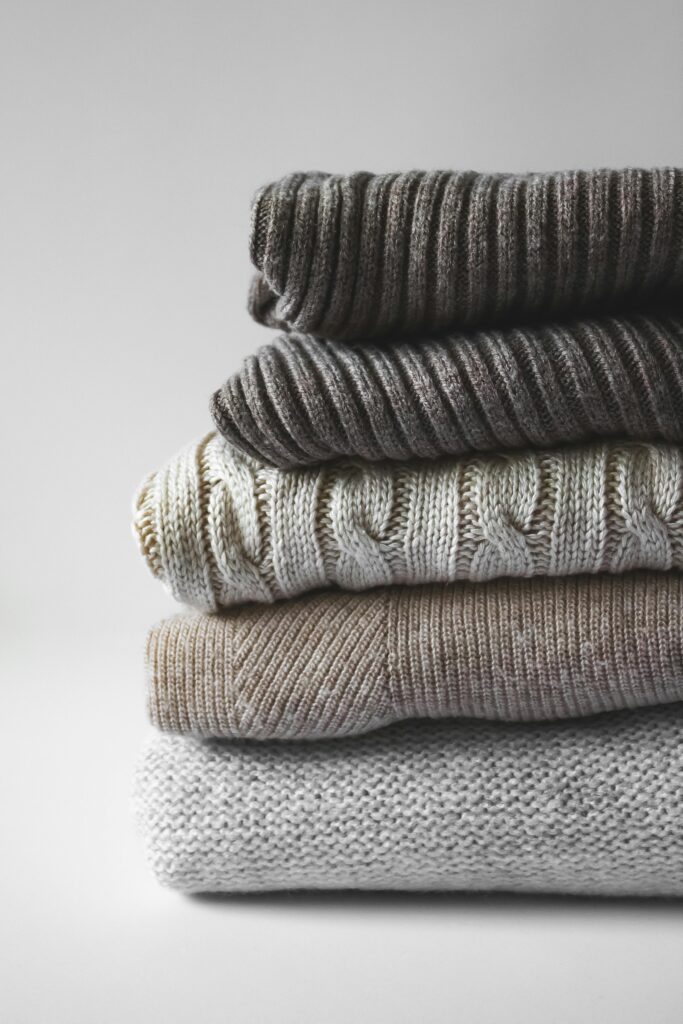
Your Second Skin: The Hidden Impact of Natural vs. Synthetic Fabrics
For a long time, most of us viewed health through the lens of nutrition and exercise. We rarely stopped to consider the drawbacks of polyester or how different fabrics affect our skin. However, when you realise that your clothes act as a "second skin," the question becomes vital: what is the fabric of your favourite jumper or gym shirt actually doing to your wellbeing?
Natural vs. Synthetic: The Risks of Polyester
If you look at the labels in your wardrobe, you will find a mix of materials. At their core, these fall into two categories:
Natural fabrics: These come directly from nature, such as plant-based fibres (cotton and linen) or animal-derived materials (wool and silk).
Synthetic fabrics: These are man-made in factories using petroleum as a base. Chemical processes transform oil into plastic-like threads.
According to the European Environment Agency, approximately 60% of our clothing is now made from synthetic fibres. While they are inexpensive and wrinkle-free, they are essentially plastic-based textiles that shed microplastics during both washing and wearing.
How Clothing Affects Your Skin
Your skin is your largest organ; it breathes, regulates temperature, and protects you. The fabric you wear directly influences these functions. Research highlights three primary benefits of choosing natural materials:
Breathability: Natural fibres like cotton and linen have an open structure. They absorb moisture and allow it to evaporate, keeping your skin dry and reducing irritation.
Natural Balance: Materials like wool and linen are naturally antibacterial. They help reduce odour build-up and are so skin-friendly that certain wools are used for medical bandaging.
Gentle on Sensitive Skin: For those with eczema or sensitive skin, natural materials are often a necessity. Studies show that high-quality cotton and silk cause significantly less itching and redness than synthetics.
In contrast, synthetic fabrics often trap heat and moisture against the body. This creates a "microclimate" that can encourage bacterial growth and worsen skin conditions.
Quality vs. Convenience: Making the Choice
If natural fabrics are superior, why is polyester so dominant? There are a few practical factors to consider:
The Investment in Quality
The higher price of linen, silk, or cashmere reflects the labour-intensive craftsmanship involved. Linen is meticulously harvested from flax plants, silk comes from delicate cocoons, and cashmere is hand-combed from the soft undercoat of goats. While the initial cost is higher, these durable materials often last much longer, making them a better long-term investment.
The "Feel" Factor
Modern synthetics are engineered to feel soft to the touch, which can be misleading. You might feel fine in a polyester shirt because the skin adapts, but the lack of breathability remains. Once you switch to a breathable linen blouse or a soft wool jumper, the difference in comfort—feeling "calmer" and fresher—becomes immediately clear.
Three Steps to a Mindful Wardrobe
You don't need to replace your entire wardrobe overnight. You can start making more conscious choices with these simple steps:
Check the Label: Make it a habit to look at the composition. Is it 100% cotton, or a blend with 40% polyester?
Opt for Purity: Choose 100% natural fabrics whenever possible. They feel better and are significantly easier to recycle.
Invest in Timeless Pieces: One high-quality wool jumper is worth more to your comfort and health than three synthetic alternatives.
Conclusion: A Small Change for Your Wellbeing
Clothing is more than just style; it is a layer that envelops you all day. By choosing natural fabrics, you are providing your skin—and your overall health—with the care it deserves.
Start small by choosing cotton pyjamas or a linen shirt for summer. Feel the difference for yourself and pay attention to how your skin reacts.
Most recent blogs
What I'm currently learning.