Why Your Foot Health is important

Why Your Feet Are More Important Than You Think
Have you ever looked closely at the shape of your feet? While most of us take our feet for granted, they are actually remarkable "machines" consisting of 26 bones, 33 joints, and over 100 muscles, tendons, and ligaments. With 200,000 nerve endings, they are designed to be our primary sensory connection to the world.
However, for most of our lives, we have kept our feet in "prison." Modern footwear, with narrow toe boxes, thick soles, and raised heels—has fundamentally changed the way we move, often to the detriment of our long-term health.
The Link Between Feet and Lifespan
It might sound surprising, but foot strength is a powerful predictor of how well you will age. Research indicates a significant connection between balance and longevity. A study published in the British Journal of Sports Medicine (PMID: 35728834) found that individuals unable to stand on one leg for 10 seconds had an 84% higher risk of mortality within the following decade.
Your feet are the primary stabilizers for that balance. As we age, we naturally lose muscle mass, and our feet are no exception; toe strength can decrease by up to 30% over time. This weakness is a leading contributor to falls, which remains a major cause of injury-related complications for older adults.
How Modern Shoes Impact Your Body
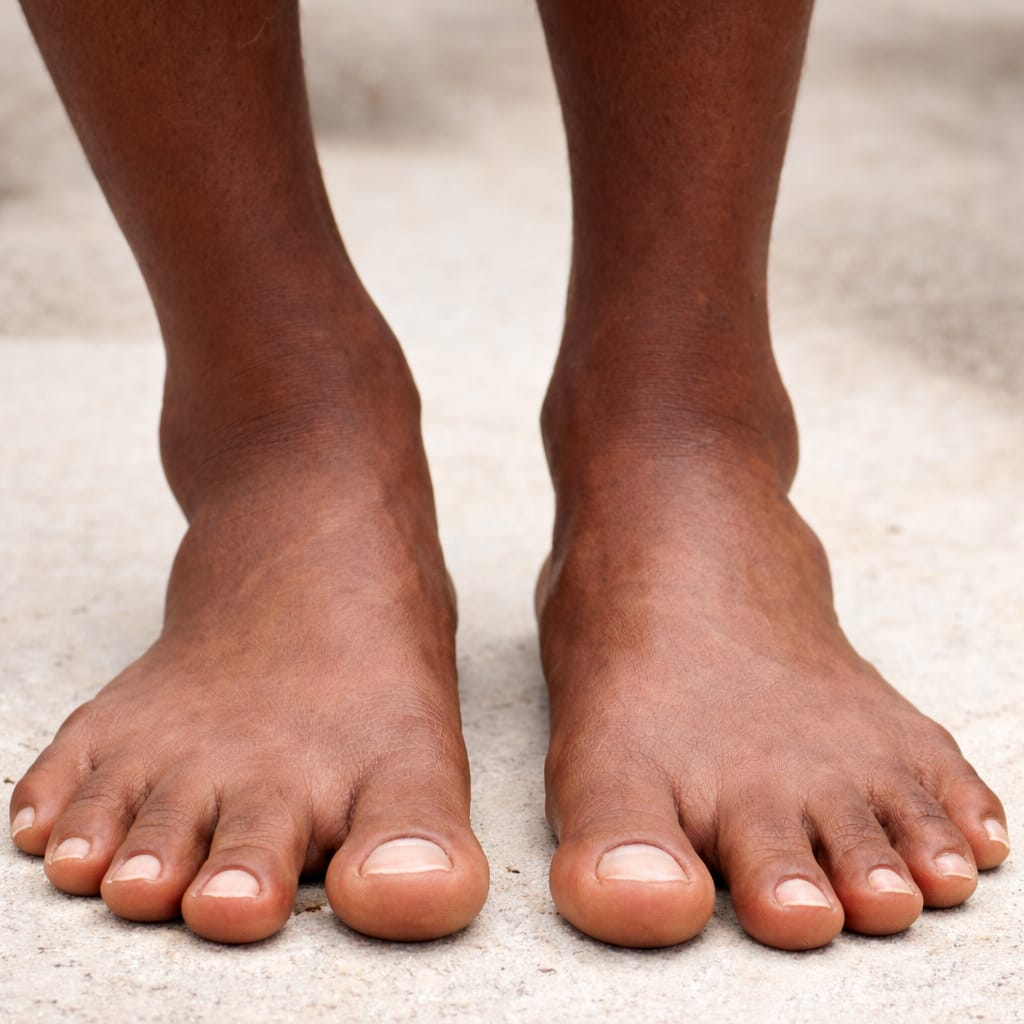
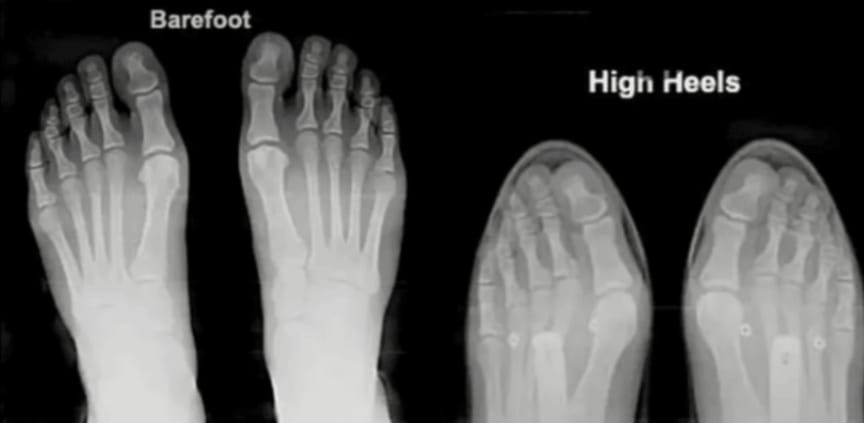
When we compare the feet of people who habitually walk barefoot to those who wear modern shoes, the difference is striking. Barefoot populations typically have wide, strong feet with toes that spread naturally. In contrast, modern shoes squeeze the toes together, weakening the arch and forcing the skeleton out of its natural alignment.
This "shoe-shaped" foot doesn't just cause local pain; it creates a ripple effect. When your foundation is unstable, your knees, hips, and lower back must overcompensate, leading to chronic aches and reduced mobility.
The Good News: You Can Reclaim Your Strength
The most encouraging find in recent podiatry research is how quickly our feet can adapt. One study (PMID: 34545114) showed that simply walking in minimalist shoes—those with thin soles and wide toe boxes—increased foot strength by an average of 57.4% over six months.
Essentially, by giving your feet the space to move naturally, you can regain over half of your lost strength without even hitting the gym.
Four Steps to Stronger Feet
You don't have to hike through the snow barefoot to see results. Here are four practical ways to rebuild your foundation:
- Go Barefoot at Home: Ditch the supportive slippers when you are indoors. Let your feet feel the floor and allow the small stabilizer muscles to do their job.
- Choose "Foot-Shaped" Shoes: When shopping for new footwear, look for a wide toe box (where the front is the widest part), a zero-drop sole (no raised heel), and a flexible base that allows your foot to bend.
- Practice "Toe Yoga": Spend five minutes a day on simple exercises. Try lifting your big toe while keeping the others flat, or practice picking up small objects with your toes to improve dexterity.
- Seek Natural Terrain: When the weather permits, walk on grass, sand, or dirt. These uneven surfaces provide vital sensory feedback to your brain and challenge your muscles in ways flat pavement cannot.
Conclusion
Your feet are the foundation of your entire body. By freeing them from restrictive footwear and encouraging natural movement, you aren't just preventing foot pain, you are investing in your balance, your mobility, and your future.
Do your feet look like this?
Look at this X-ray comparison:
Most recent blogs
What I'm currently learning.