Why Sourdough is Better for Your Gut and Energy Levels
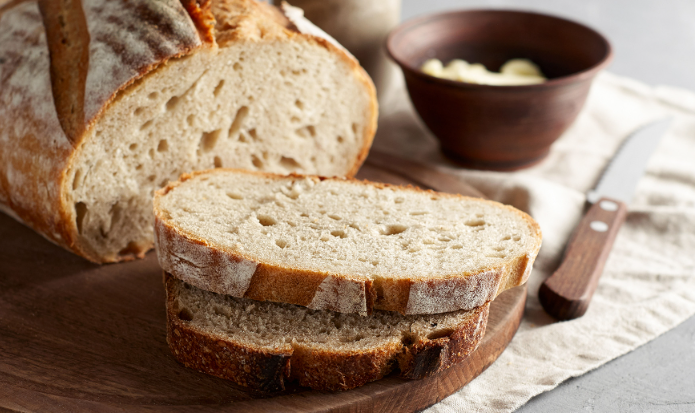
Beyond the Crust: Why Sourdough is the Ultimate Choice for Your Wellbeing
For many of us, bread is a daily staple. However, that post-lunch "bloat" or heavy, sluggish feeling is a common complaint. We often blame the grains themselves, but the real culprit usually lies in the process—and the additives—found in mass-produced loaves.
When you look at a standard supermarket ingredient list, you’ll find more than just flour and water. Preservatives, added sugars, and emulsifiers are the norm. This discovery led me to a centuries-old alternative: sourdough. But is it truly healthier, or just a culinary trend?
What Makes Sourdough Different?
Unlike commercial bread, sourdough rises naturally. It relies on a starter—a living culture of flour and water. When left at room temperature, wild yeasts and lactic acid bacteria flourish.
This "slow fermentation" does more than just create a tangy flavor. It initiates a biological process that breaks down the dough, making the final product significantly easier for your body to process. While commercial yeast forces bread to rise in under two hours, sourdough takes its time, often fermenting for 12 to 24 hours.
The 5-Step Artisanal Process
Baking sourdough is an exercise in mindfulness. It transforms three simple ingredients—flour, water, and salt—into a nutrient-dense loaf through these five stages:
Creating the Starter: Mixing flour and water and "feeding" it daily for about a week until it becomes a bubbling, active culture.
Mixing the Dough: Combining the active starter with fresh ingredients and kneading until smooth.
Rest & Fold: Allowing the dough to rest (autolyse) and folding it periodically to strengthen the gluten structure naturally.
Slow Proofing: A long fermentation period (at least 12 hours) where the flavor and nutritional profile fully develop.
Baking: Cooking at high heat ($230°C$) to achieve a signature crispy crust and airy interior.
Two Science-Backed Benefits of Sourdough
1. Stable Energy and Lower Blood Sugar
Sourdough has a lower Glycaemic Index (GI) than regular bread. This means it doesn't cause the sharp "spikes and crashes" in blood sugar that lead to afternoon fatigue.
The organic acids produced during fermentation slow down the rate at which glucose enters your bloodstream. Research published in the British Journal of Nutrition confirms that sourdough leads to a more moderate insulin response, keeping your energy levels stable for longer.
2. A Pure Product Free from Additives
Standard bread often contains calcium propionate (E282) to prevent mold and emulsifiers (E471) for texture. In sourdough, the natural acidity acts as a preservative, and the texture is a result of time and technique rather than chemistry. By choosing sourdough, you are opting for a clean label and avoiding industrial "E-numbers" and hidden sugars.
A Tradition Worth Reviving
Sourdough isn't a new fad; it dates back to Ancient Egypt. It was the global standard until commercial yeast was introduced in the 19th century to prioritize speed over nutrition.
Today, we are seeing a return to these artisanal roots. For those looking to eat mindfully, sourdough offers a way to enjoy bread that supports gut health, provides stable energy, and remains free from processing aids.
Most recent blogs
What I'm currently learning.