How to Stay Active When You're Busy: Small Habits, Big Results
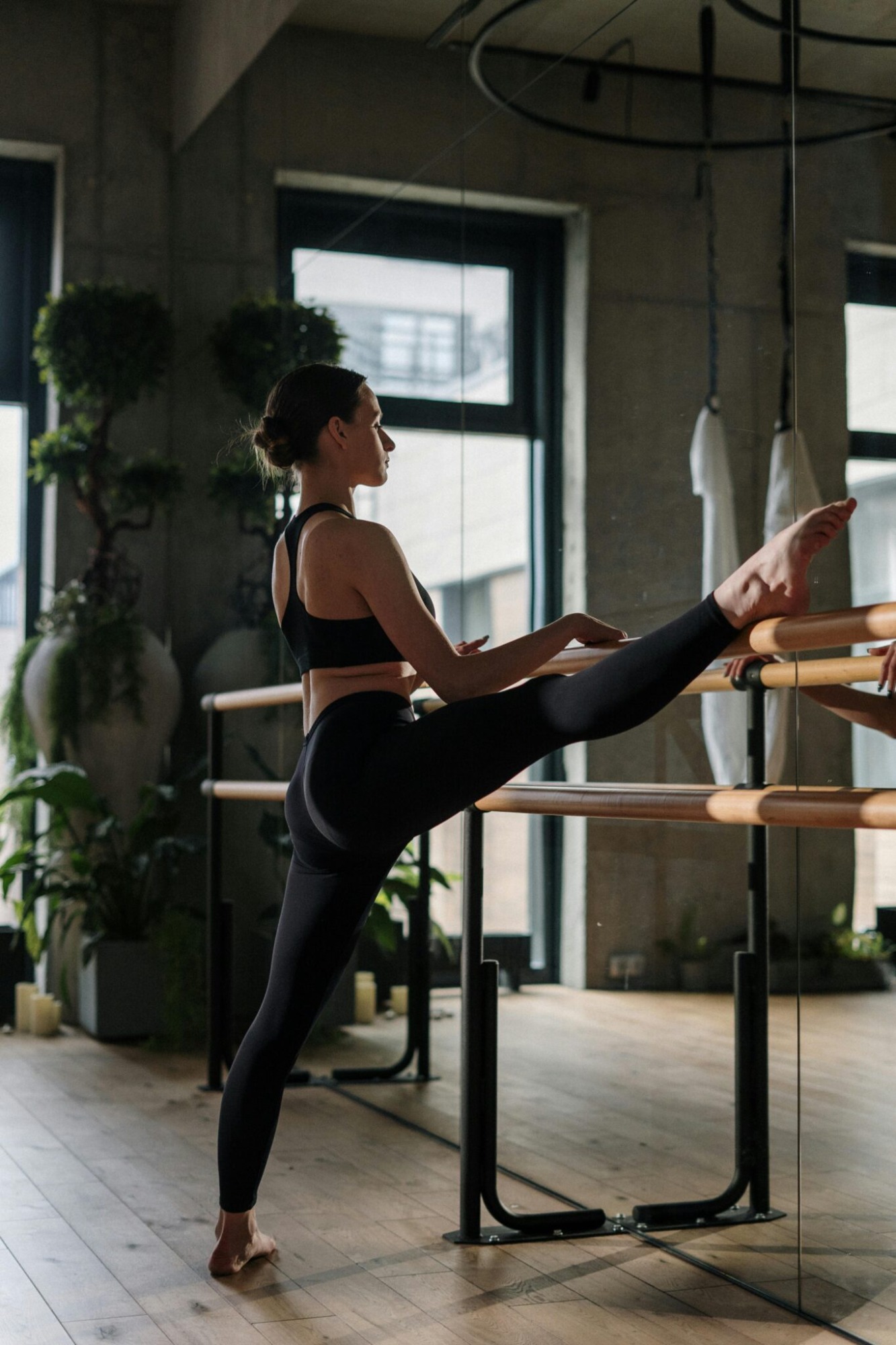
From Stiff to Strong: Why Daily Movement is Your Best Energy Booster
It’s 6:00 PM. You shut your laptop after a long day of emails and calls. Your shoulders are tight, your back aches, and the sofa feels like the only logical destination. We’ve all been there. For a long time, the idea of "exercise" felt like a mountain I wasn’t ready to climb.
But staying stationary has a cost. Constant fatigue, poor concentration, and feeling out of breath are often the body’s way of asking for movement. The good news? Staying active isn't just about intense workouts or losing weight; it’s about feeling comfortable in your own skin.
Why Your Body Craves Movement
Our bodies are designed to move. When we remain sedentary for too long, we miss out on vital biological benefits. Here is what happens when you get moving:
A Stronger Heart: Like any muscle, your heart gets stronger with use. Regular activity helps it pump blood more efficiently, keeping your cardiovascular system flexible and healthy.
Natural Energy: It sounds counterintuitive, but moving actually gives you more energy. Physical activity helps your cells convert food into fuel more effectively, teaching your body to manage its energy reserves smarter.
Stress Relief: Movement triggers the release of endorphins—the brain’s "feel-good" chemicals. This process helps clear out stress hormones, leaving you feeling calmer and more clear-headed.
Physical Longevity: Think of your joints like a bicycle chain. Without use, they "rust" and become stiff. Regular movement keeps your muscles and joints lubricated, preventing chronic aches in your neck and back.
Movement vs. Exercise: Do You Need Both?
There is a common misconception that one hour at the gym can undo eight hours of sitting. To feel your best, you actually need a combination of two types of activity:
Daily Movement (Low Intensity): Activities like walking, light cleaning, or taking the stairs. This keeps your circulation flowing and prevents your body from "seizing up" during the workday.
Intensive Exercise (High Intensity): Activities like running, strength training, or brisk cycling that raise your heart rate. This is what builds true fitness and muscle strength.
The Golden Rule: Daily movement keeps you healthy; intensive exercise makes you strong.
Boosting Focus and Beating the "Desk Slump"
If you find yourself staring blankly at your screen, don't reach for your phone—stand up. Moving for even two minutes can re-energize your brain. Try these "mini-breaks" to stay sharp:
A 5-minute walk outside.
Gentle neck stretches (hold for 30 seconds per side).
Shoulder rolls to release tension.
Pacing while taking a phone call.
How Much Do You Really Need?
Health guidelines typically recommend 150 minutes of moderate activity per week. While that sounds daunting, it breaks down to just 21 minutes a day.
You can reach this goal by making small, sustainable choices:
Choose the stairs over the elevator.
Walk to the local shop instead of driving.
Use a standing desk for part of your morning.
Winding Down: The Power of Gentle Motion
Not all movement needs to be high-energy. In the evenings, intense workouts can sometimes make it harder to fall asleep. Instead, try Yin Yoga. By holding gentle poses for longer periods, you release deep physical tension and quiet the mind, leading to much better sleep quality.
Conclusion: Start Small
A healthy lifestyle doesn’t require you to be a natural athlete. It starts with the realization that small actions count. A quick stretch, a short walk, or choosing the stairs are the building blocks of a new habit.
If you find it difficult to start, I highly recommend reading Atomic Habits by James Clear. It perfectly illustrates how tiny changes lead to massive results over time. It doesn’t have to be perfect; it just has to start.
See it in action
Most recent blogs
What I'm currently learning.