Baking Soda: The Ultimate Natural Multitasker for Your Home
The Power of Baking Soda: Why This Simple Powder is a Household Essential
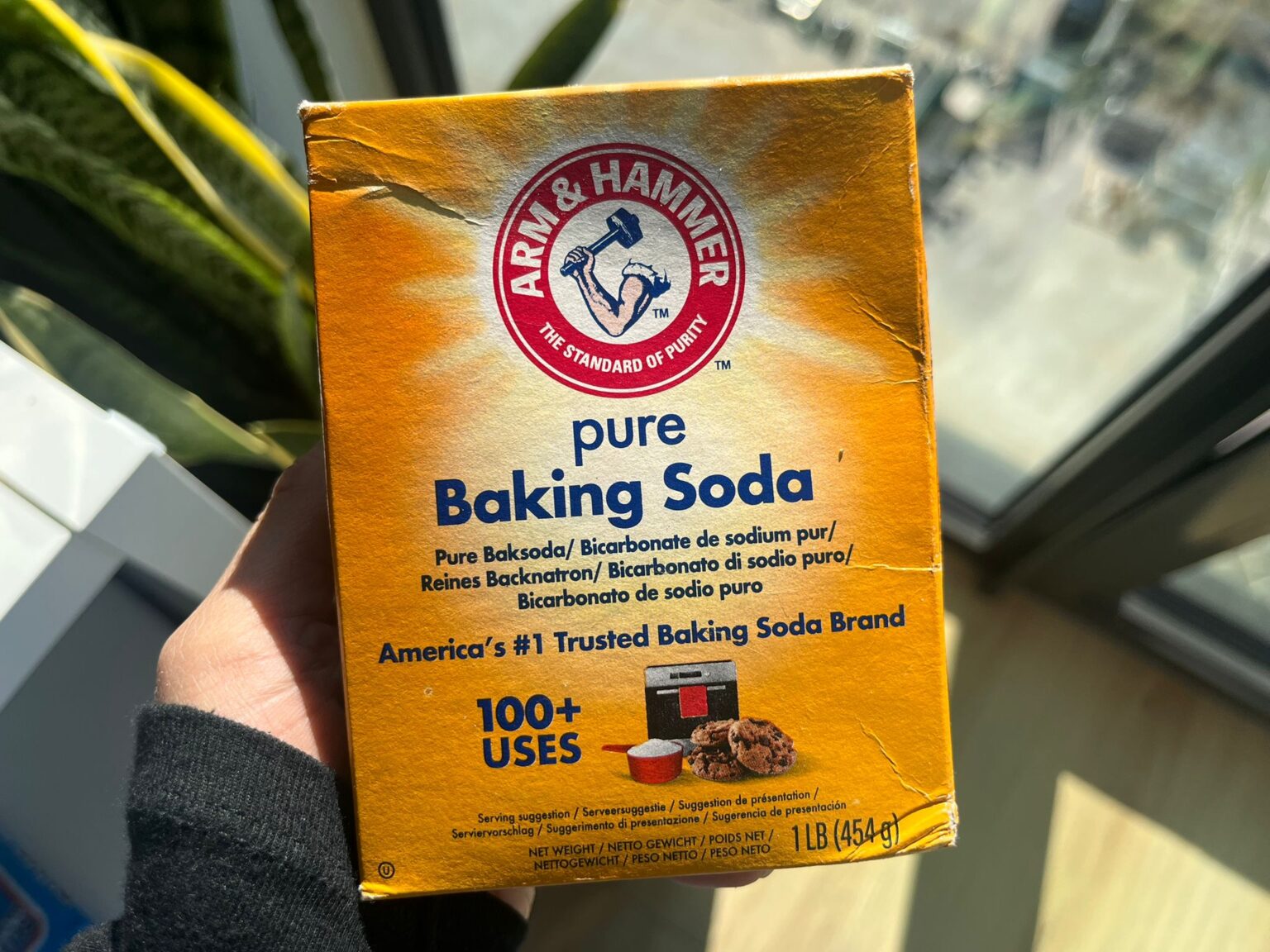
At first glance, baking soda is just a simple white powder. However, this humble pantry staple is a true multitasker. Whether you are looking for a natural way to clean fruit, a chemical-free deodorizer, or a secret to fluffy cakes, baking soda—scientifically known as sodium bicarbonate—is the answer.
A Brief History
Baking soda was first discovered in 1801 by German apothecary Valentin Rose the Younger. However, it wasn't until 1846 that it became a household name. American entrepreneurs John Dwight and Austin Church established the first factory to produce it on a large scale, using soda ash and carbon dioxide. Today, it remains one of the most affordable and effective products in the world.
Is Baking Soda Safe?
The U.S. Food and Drug Administration (FDA) classifies baking soda as "Generally Recognized As Safe" (GRAS). It is non-toxic, chemically stable, and environmentally friendly. While it may lose its "lift" in baking over time, it does not become toxic.
Common Uses for Health and Home
Digestive Relief: It acts as a natural antacid to neutralize stomach acid and relieve heartburn.
Skin Care: A paste of baking soda and water can soothe itching from insect bites or stings.
Oral Hygiene: Its mild abrasive properties help remove plaque and surface stains from teeth.
Natural Deodorant: It neutralizes odor-causing acids in sweat rather than just masking them with fragrance.
Household Safety: It is effective at extinguishing small grease fires in the kitchen.
Note: Because baking soda is alkaline, it should be used sparingly on the skin and teeth to avoid irritation or enamel wear.
Digestive Relief: It acts as a natural antacid to neutralize stomach acid and relieve heartburn.
Skin Care: A paste of baking soda and water can soothe itching from insect bites or stings.
Oral Hygiene: Its mild abrasive properties help remove plaque and surface stains from teeth.
Natural Deodorant: It neutralizes odor-causing acids in sweat rather than just masking them with fragrance.
Household Safety: It is effective at extinguishing small grease fires in the kitchen.
Note: Because baking soda is alkaline, it should be used sparingly on the skin and teeth to avoid irritation or enamel wear.
Why is it So Affordable?
You might wonder why such a versatile product costs so little. The answer lies in its simple production. Sodium bicarbonate is created through a straightforward reaction between soda ash, water, and carbon dioxide. Since these raw materials are abundant and the processing is minimal, manufacturers can produce it on a massive scale at a very low cost.
The Secret Behind Its Versatility
The "magic" of baking soda comes down to two unique characteristics:
1. Gentle Abrasiveness
Baking soda consists of fine crystals that are hard enough to scrub away stains, but soft enough not to scratch surfaces. This makes it perfect for cleaning delicate countertops, stainless steel sinks, and even your teeth without causing damage.
2. Acid Neutralization
Most unpleasant odors (like those in your fridge, shoes, or gym bag) are acidic. With a pH of approximately 8.4, baking soda is mildly alkaline. Instead of covering up smells, it reacts with the acidic molecules and neutralizes them completely. It works the same way with grease, breaking down fatty acids to make cleaning much easier.
A Natural Way to Clean Fruit
One of the most effective uses for baking soda is washing fresh produce. It outperforms plain water in two ways:
Mechanical Cleaning: The fine crystals gently scrub away dirt and wax.
Chemical Cleaning: Its alkaline nature helps break down acidic pesticide residues.
In fact, research published in the Journal of Agricultural and Food Chemistry found that soaking apples in a baking soda solution for 12 to 15 minutes can remove up to 96% of certain pesticides.
Most recent blogs
What I'm currently learning.